Holographic Rainbow Iridescent Paper: A Modern Design Asset
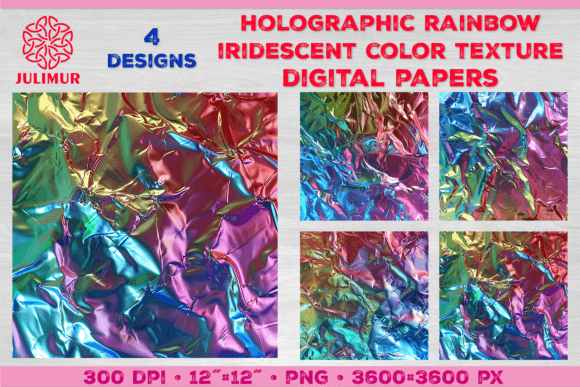
In the ever-evolving landscape of visual design, capturing immediate attention is paramount. Holographic Rainbow Iridescent Paper offers a dynamic, light-reactive texture that instantly elevates digital and print projects, providing a contemporary shimmer that static colors cannot replicate. This versatile digital asset, often provided as a high-resolution texture, allows designers to infuse a sense of luxury, futurism, and tactile quality into their work. Its unique color-shifting properties make it a powerful tool for creating memorable brand touchpoints and engaging user experiences.
Understanding the Visual Impact
The appeal of this material lies in its ability to simulate a physical phenomenon in a digital space. The iridescent color texture isn't a single flat hue but a gradient that shifts across the spectrum, mimicking the way light plays on a holographic foil. This creates depth, movement, and a premium feel. In graphic design, such textures are invaluable for adding visual hierarchy and focal points without overwhelming a layout. They speak to modern aesthetics that favor interactivity, depth, and sensory engagement, making them a key component in current design trends.
Practical Applications Across Creative Fields
The utility of a quality holographic texture spans numerous disciplines. Its primary strength is in adding a layer of sophistication and contemporary flair.
- Branding and Logo Design: Use it as an accent in brand identity systems for tech startups, beauty products, or entertainment brands. It can be applied to logomarks, business cards, or letterheads to create a striking professional presentation that stands out in a competitive market.
- Marketing and Social Media Graphics: Digital ads, Instagram stories, and YouTube thumbnails benefit immensely from the eye-catching shimmer. It boosts user engagement by halting the scroll, making it ideal for product launches, special offers, and event promotions.
- UI and Web Design: As a background or accent element, it can highlight calls-to-action or premium features within an interface. It contributes to a sleek user experience (UX) when used judiciously, ensuring the design remains modern without sacrificing readability.
- Packaging and Editorial Design: For mockups or final print files, the texture suggests a high-end finish. In editorial design, it can serve as a striking pull-quote background or chapter opener, enhancing the visual hierarchy of a publication.
Integrating Texture into Your Design Workflow
Successfully incorporating a bold element like holographic paper requires strategic thinking to maintain cohesion and clarity.
- Prioritize Readability and Contrast: Always place text or critical information over the most subdued area of the texture. Use solid color overlays or employ techniques like clipping masks to ensure your typography remains legible and accessible.
- Match the Brand Palette: The iridescent effect should complement, not clash with, the existing color palette. Analyze the dominant hues in the texture and align them with your brand’s secondary or accent colors for a harmonious visual design.
- Consider Scalability and Format: High-resolution assets (like 300 DPI, 3600x3600 pixels) are essential for both large-format print and crisp digital display. Ensure your creative assets are scalable to maintain quality across applications, from a small website icon to a large presentation slide.
- Use for Strategic Emphasis: Employ the texture to guide the viewer’s eye. It works exceptionally well for buttons, badges, or featured product shots in digital marketing materials, creating a clear visual path through your content.
Thoughtful selection of design elements like Holographic Rainbow Iridescent Paper demonstrates a commitment to quality and innovation. By leveraging such creative assets, designers and creators can transform standard projects into compelling visual narratives. This approach not only enhances the aesthetic appeal but also strengthens communication, ensuring that every touchpoint—from a social media graphic to a final product package—resonates with its intended audience and elevates the overall design workflow.